
Sometimes, to figure out what is really going on, one has to look at alternative sources of information other than the news or even legislative briefings. While all of those can be informative, they are to a point.
When it comes to, potentially, actually looking at an issue and seeing what the leaders really say, one source to find that, on occasion, is the Neighborhood Board minutes.
This blogger, who was a member of a neighborhood board several years ago and sat in on even more of them while employed at the Honolulu City Council, understands that sometimes city leaders, needing to speak about a specific thing, will let the public know more in these forums.
That was the case when a review of the October 27, 2025, minutes of the McCully-Moiliili Neighborhood Board No. 8 was released, and the City’s Homeless Coordinator made a presentation. While you can read the minutes and the reader can come up with their own perspective of what was said, here is the perspective from Politics Hawaii.
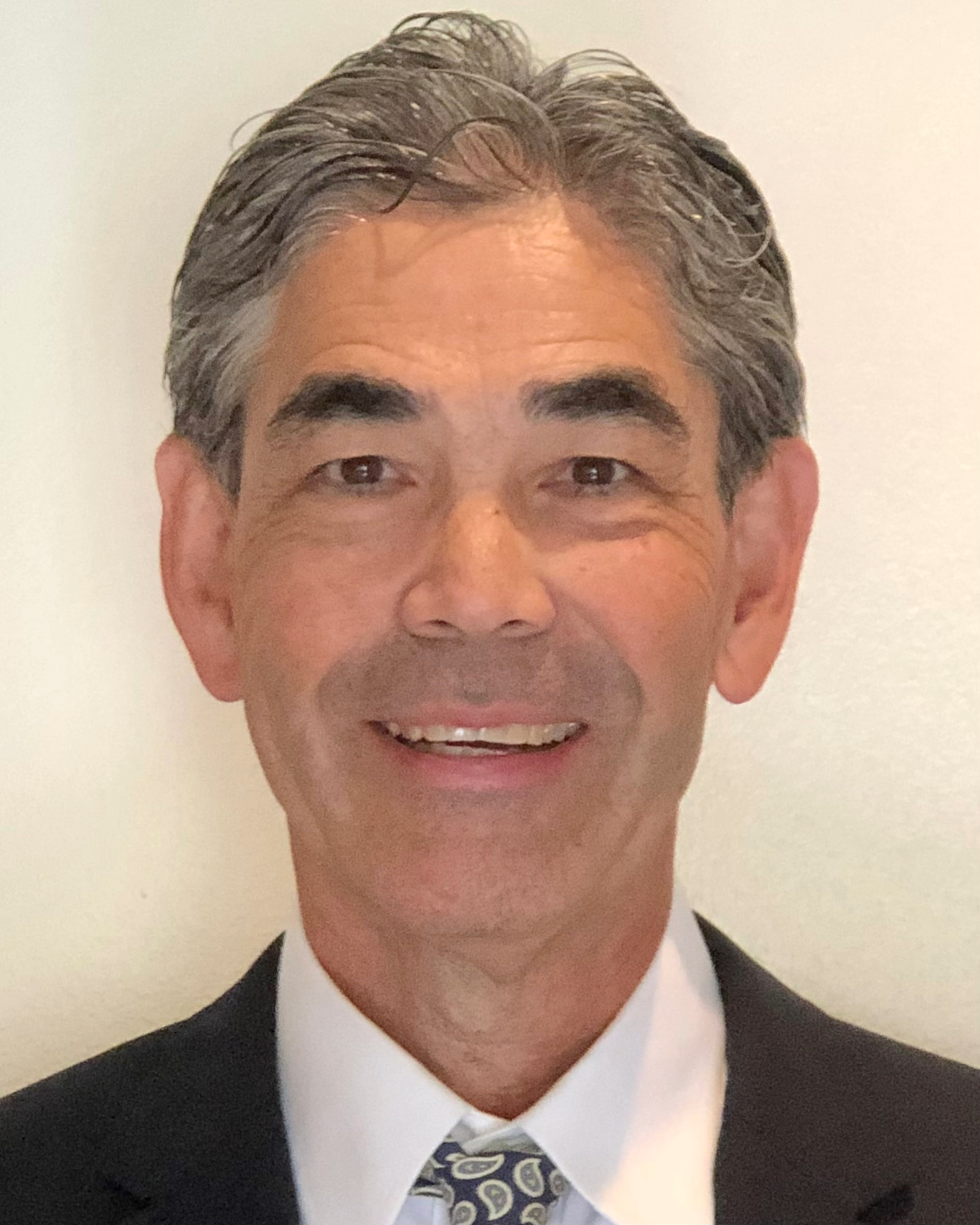
PC: City and County of Honolulu announcement of appointment
Roy Miyahira is the City and County of Honolulu’s Director of Homeless Solutions. He started his service in the City under this office earlier in 2025, when this blogger was first introduced to Miyahira by the City Councilmember of the district, Scott Nishimoto. In a one-on-one discussion with him, Miyahira said he would be making a presentation to the Neighborhood Board on homelessness and what was being done to address it.
Being that he was going to present in public, it was figured to just wait to see what was said and then comment on it if there was anything worthy to report on.
The assumption by this veteran of the Neighborhood Boards was that the representative would present a “administration-friendly” report that glossed over the issues, emphasized the positives, and try to play down the negatives.
With the homeless, though, as a side note, positives and negatives are all about the visual, meaning how many homeless are on the streets (or parks), how many have been served (processed in homeless centers like IHS or the Punawai Center, how many were sent back to the Continent, how many were able to get stable housing.
Negatives, of course, are still seeing homeless people in the parks, on the streets, etc, who either don’t want or have not been provided services.
With that, Miyahira presented a report that didn’t try to weigh the discussion on the positives or negatives but just tried to lay it out in a factual way to the audience.
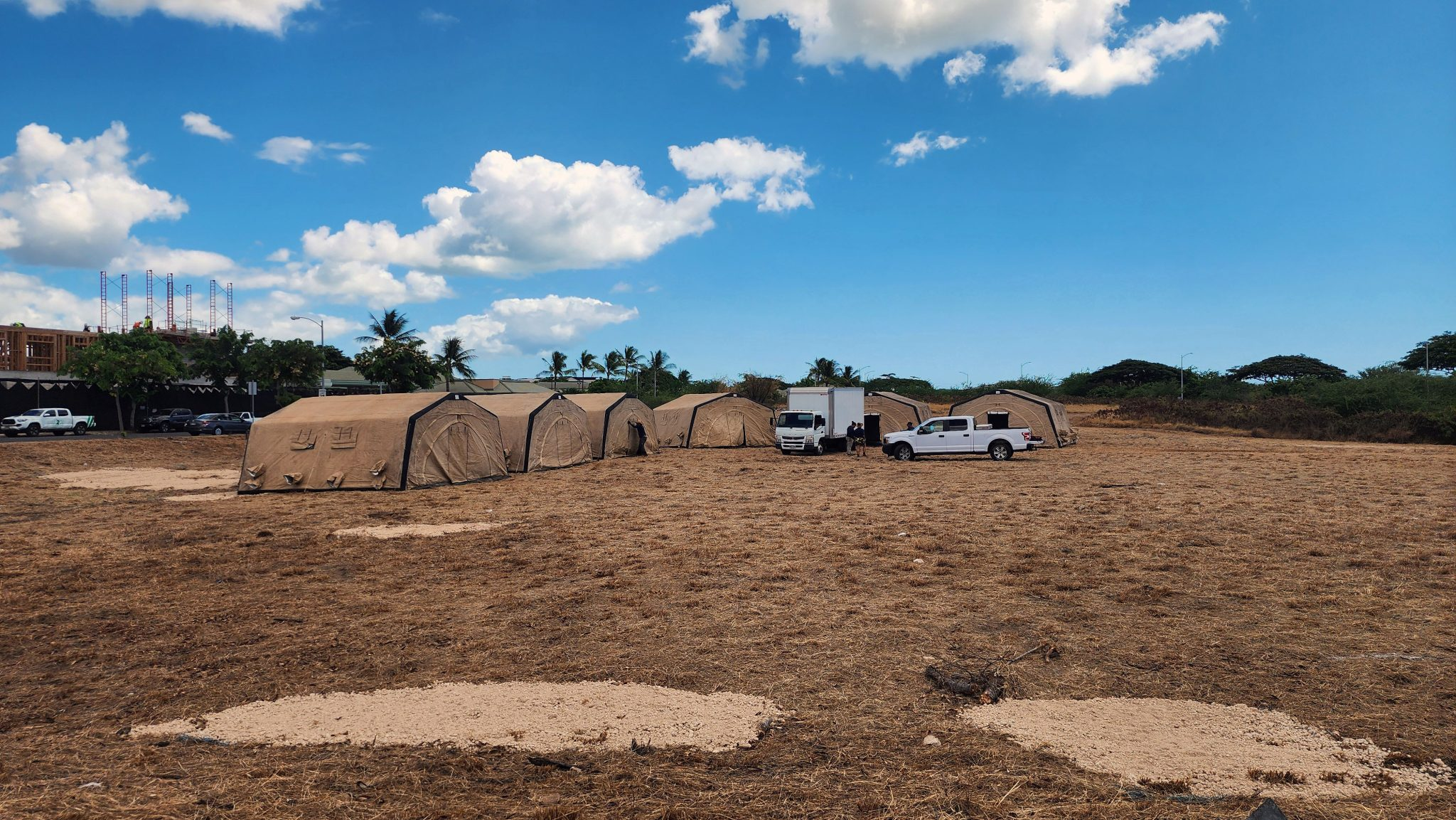
PC: City and County of Honolulu HONU program
According to the minutes, Miyahira started with a discussion of the (then) current deployment of the Homeless Outreach and Navigation for Unsheltered Persons (HONU) worksite at Old Stadium Park (Isenberg St. area). He noted that while 50% of the people who interact with HONU accept help, 40% will eventually return to the street.
(So to describe this in mathematical terms, for every 100 people HONU interacts with, for instance, 50 of them will accept services, at least initially. Of the cohort of 50 clients, 40% will eventually return to the street, so 20 people. Therefore, HONU is successful in moving 1 in 3 homeless off the street, using Miyahira’s report.)
Further in his presentation, it became clear that the current “treat everyone the same” model was not yielding better results.
Miyahira then noted that the current programs are achieving outcomes like prior deployments of HONU, confirming what many in the community see when it comes to treating homelessness at the government level – that results are holding steady, thus no measurable improvement is being reported.
From this pundit’s perspective of seeing officials come and try to dress up mediocre results, saying that things really have not changed is a nice sign that the City government is “getting it” when it comes to truthfully addressing an issue to the people.
To potentially address the shortfall, Miyahira explained a new approach to addressing the population by becoming more granular as to the types of services and where people can go. For instance, Miyahira rolled out a plan that is akin to “market-segmentation” in which homelessness is seen as a “consumer needs” issue, rather than a “treatment only” issue. This segmentation, if fully drawn out, would provide clients with a menu of services that they can choose from.
For instance, specialty beds would be designated for specific issues, like behavioral health, de-toxification, medical respite, and “stabilization pods”. The challenge is that right now, adding all the beds up as “just a bed”, there are not enough beds overall, let alone specific ones for these specific needs.
The other issue that Miyahira brought up was the practice of taking homeless clients on bus tours to shelters so that it feels less intimidating to the clients and, theoretically, increases acceptance to enter one. While it helps to instill confidence in going into a shelter, it also shows the trust gap that many clients have with the current shelter system.
(And if you have ever been to the shelters, like this blogger has in the past, even when it is calm and relaxed, shelters are not fun places to be in.)
If there is one thing to say about anyone taking on the homelessness portfolio at either the city or the state, it is that they take on a complicated portfolio in which the approach to the public can either sink or swim, whatever plans are put forward to address the issue. For Miyahira he presents a “new sounding plan” that has not been rolled out before, and addresses the fact that the current program is only holding the issue steady.
Rolling out a plan and acknowledging where the issue is now is one thing; it will be the follow-up by Miyahira that will tell whether the new plan put forward is the solution we’ve all been waiting for.
Or another plan, started in good faith, that just didn’t pan out, thus sending the City back again seeking other solutions.