
One thing about Hawaiʻi politics is that it is notoriously devoid of one of the things that drives political coverage almost everywhere else: polling.
Sure, there is the occasional poll published by the Honolulu Star-Advertiser, including one that measures the sitting governor’s popularity. And, after next month’s primary election, we will probably see polling that tells us who is ahead in the race for governor. But outside of those occasional glimpses into what voters may be thinking, there really isn’t much else.
That leaves those of us who follow Hawaiʻi politics looking to other sources to figure out how a candidate is doing. One of the few places we can look is at the money. Campaign spending reports have become something of a political scoreboard: How much has a candidate raised? Who is giving them money? And how much do they have available to spend? The media pays close attention to the periodic disclosure reports filed with the Hawaiʻi Campaign Spending Commission, and for good reason. Without regular polling, those reports are one of the few public measurements available that might give us some indication of who is ahead and who may be behind.
But does the money really tell us that?
That question becomes even more interesting when you get away from the big statewide races and start looking at contests for the state House and Senate. In many of those races, no one can really tell you with any certainty who is up and who is down. And sometimes, when you look at the campaign finance numbers for a particular race, they don’t necessarily make the picture any clearer.
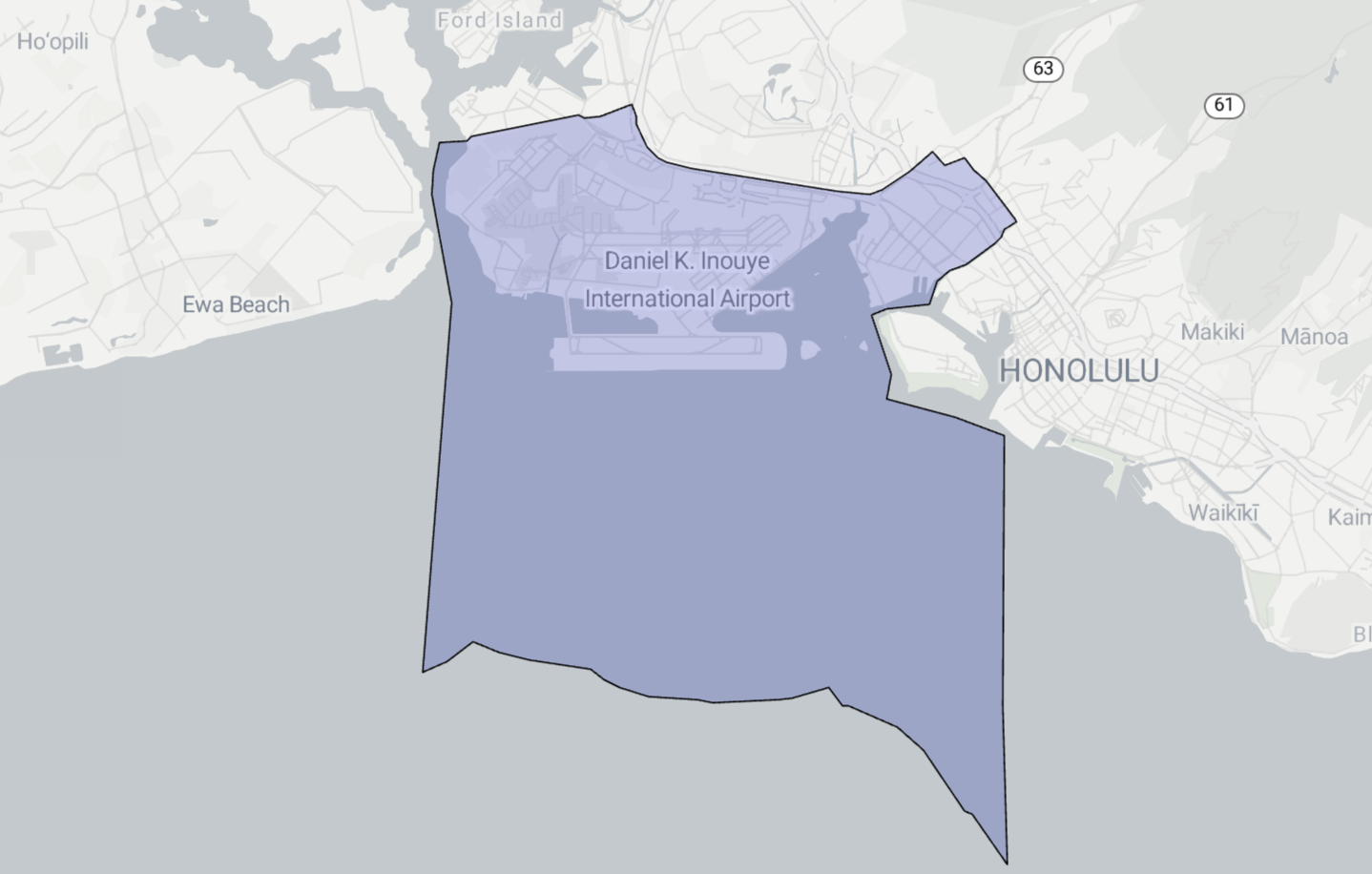
PC: Ballotopedia https://ballotpedia.org/Hawaii_House_of_Representatives_District_30Incumbent
Take the Democratic primary for House District 30, which includes Kalihi, Kalihi Kai, Keʻehi Lagoon, and Hickam Village. Incumbent Rep. Shirley Ann Templo is being challenged by Faatea Faatea and Kekoa Kealoha. According to the campaign spending reports, and using rounded numbers, Templo has reported about $13,000 in receipts so far during this election period, while Kealoha has brought in about $21,000. Faatea, meanwhile, has reported a little more than $2,000.
So, taken from the standpoint of sheer amounts, if money is the measurement, it should mean the challenger Kealoha is actually in the strongest position.
Well, in this case, maybe. But it turns out there are other pieces to consider.
For instance, Templo is the incumbent, which brings with it the advantages of already holding the office and having won the seat before. Her reported contributors include the Hawaiʻi Tourism and Lodging Association and health insurance political action committees.
Kealoha’s contributors include some notable names, including Kūhiō Lewis, CEO of the Hawaiian Council, along with periodic contributions from Yasmin Dunn, a Sony Pictures executive.
And then there is Faatea. While his fundraising numbers are considerably smaller, he has received the endorsement of the Hawaiʻi Government Employees Association. In a Democratic primary in Hawaiʻi, the backing of a major public-sector union is not something that can simply be dismissed.
So, in this race, what we are left with is something of a mixed bag when it comes to reading the reports and trying to discern who may actually be on top.
And, not unlike the cliffhanger at the end of a television season, the questions begin to emerge.
- Does Templo, as the incumbent, have enough of an advantage to win reelection?
- Does Faatea gain traction from the HGEA endorsement, even though his campaign has raised considerably less money?
- And does Kealoha, who has raised more than the incumbent, turn that financial support into enough votes to become the Democratic nominee when the votes are finally counted?
The default assumption may be that Templo wins because she is the incumbent. That is probably where many political observers and pundits would start—and perhaps end—their analysis.
But maybe that is also the problem with trying to figure out Hawaiʻi elections without much polling. Money matters. Endorsements matter. And incumbency certainly matters. But none of those things can tell us with certainty what voters are actually thinking.
Sometimes campaign finance reports can give us clues about what is happening in a political race. Other times, they may simply show us that there are more dynamics at play than we initially thought. The Democratic primary for House District 30 may be the real answer to whether the money matters is the same one we started with.
Maybe.