
The story of campaign donations to Hawaiʻi Lieutenant Governor Sylvia Luke is in the “phase 1” –the allegation phase. But even at this early stage, several observations and questions stand out — not necessarily about guilt or innocence, but about what this moment is already doing to Hawaiʻi’s political landscape.
Here are some of those observations.
First Observation – Hindsight by the Legislature?
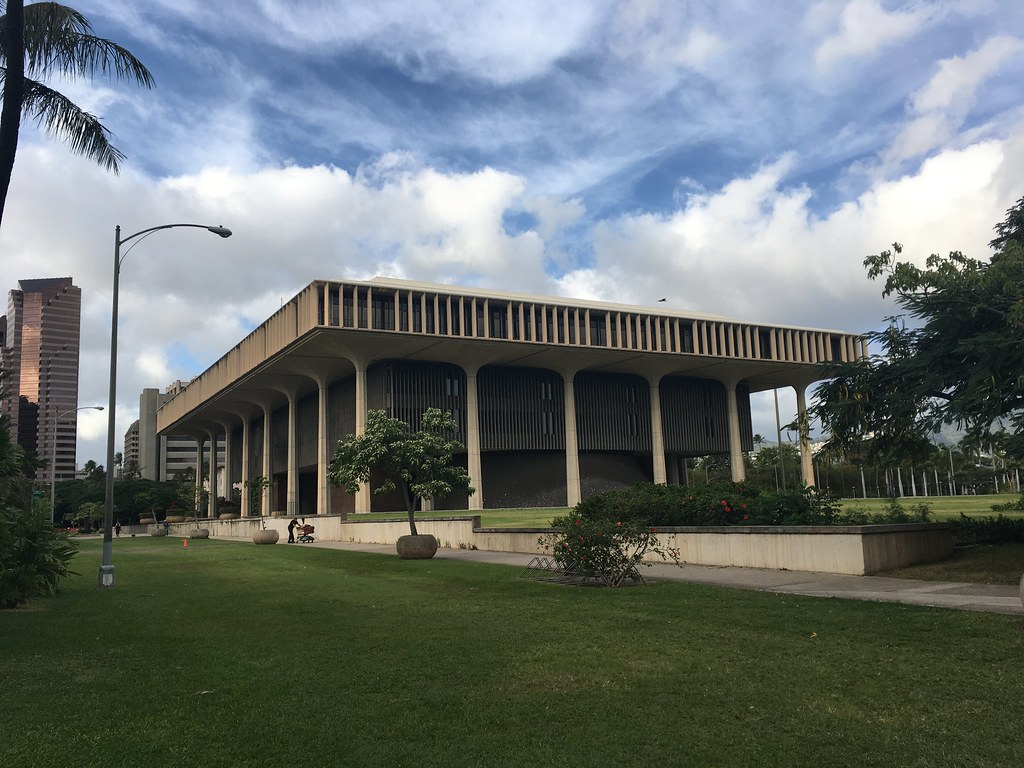
PC: PHwSF
In the run-up to the Primary Election in 2022, when Sylvia Luke ran for the Democratic Party’s nomination for Lt. Governor against former Honolulu City Council Chair Ikaika Anderson and former Mayoral candidate Keith Amemiya, it was very apparent that some of her support came from members of the legislature.
In an observation this blogger made at a 4th of July event at the Old Kona Airport pavilion for the Democratic Party in 2022, it was apparent that state legislators were openly backing Luke, with their presence there at her booth an unmistakable hint of their support. At the time, Luke was the Finance Chair in the House and was one of the core leaders that make up the Legislature – the Chairs of the Ways and Means committee in the Senate, Chair of Finance in the House, Senate President, and House Speaker.
So it stands to reason that they would back their fellow legislator moving up the ranks.
Now, with Luke publicly acknowledging she may be the legislator referenced in the ongoing investigation — and as the political implications of the story expand beyond those directly involved — a broader question emerges: how does this reshape perceptions of political judgment inside the Legislature?
Regardless of how the investigation ultimately concludes, legislators will continue participating in and signaling support for candidates seeking higher office. What may change, however, is how those decisions are viewed in hindsight, once new information enters the public discussion.
We’ll have to see.
Second Observation – Revisiting the Carpenters Ad campaign against Luke
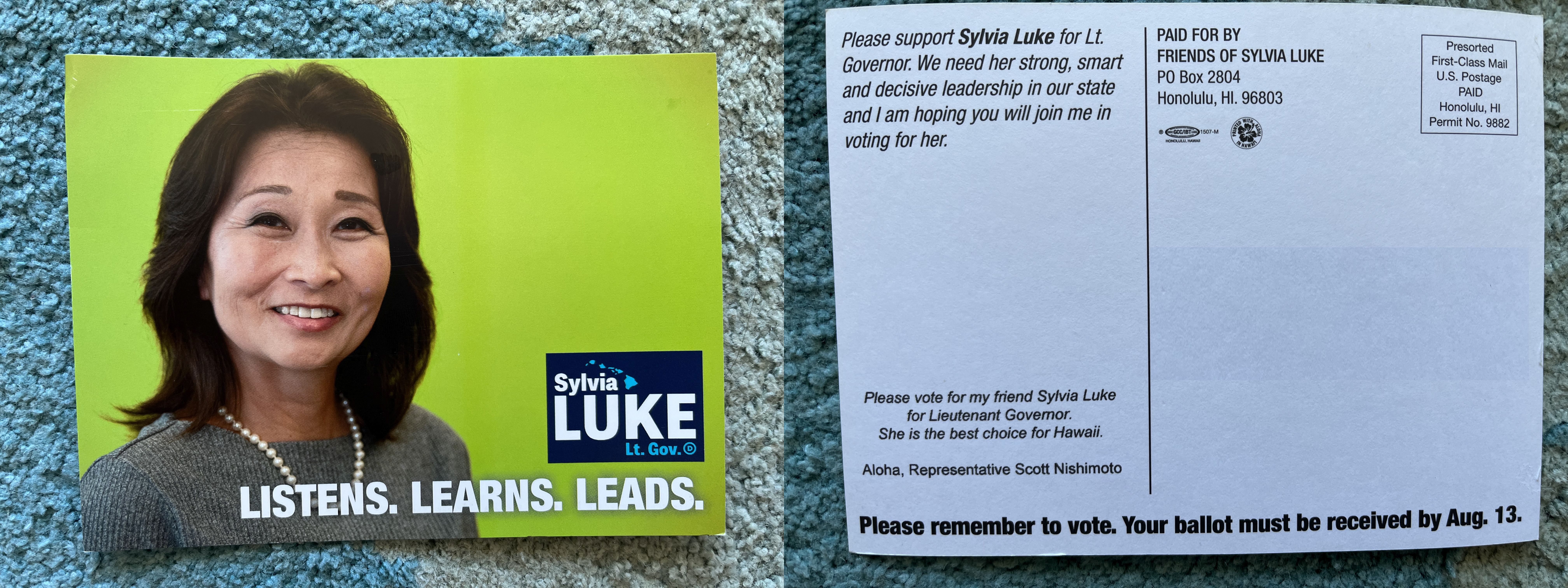
PC: PHwSF
Again, going back to the 2022 campaign, one of the standout moments of the Democratic primary involved the Hawaiʻi Regional Council of Carpenters and advertisements supporting Ikaika Anderson’s bid for Lt. Governor over then–House member Sylvia Luke. Operating under the organization name “Be Change Now,” the campaign questioned donations Luke received from then-indicted Navatek head Milton Kao in connection with tax credits she supported in 2017.
Luke maintained at the time that the donations did not influence her legislative decisions — a position that still stands today.
Even though those ads were heavily debated and ultimately did not prevent Luke from winning at the ballot box, campaign narratives that fail electorally sometimes reappear years later under different circumstances. As the current story unfolds, it is natural for observers to revisit earlier campaign arguments — not necessarily because they were proven right or wrong, but because political memory tends to resurface when new questions emerge.
The result is that issues once thought settled can return to public conversation, particularly as political figures prepare for another election cycle.
Third Observation – Participation by the Governor

While still early in the story, the concentric circle of who is being touched by this issue continues to expand in interesting ways.
Consider the evolving role of Governor Josh Green.
Until Luke’s public acknowledgement and the ensuing investigations, the Governor largely appeared as a careful observer. When asked about the situation — including during appearances such as Hawaiʻi News Now’s Spotlight — he expressed a general hope that whoever was involved would ultimately be identified, reflecting what many in Hawaiʻi seemed to feel at the time: that the individual in question was unknown.
Once Luke said she may be the influential political figure referenced in FBI files and described how the money was received, the dynamic shifted quickly. Just days later, the Governor announced the cancellation of a long-planned trip to the Mainland for a National Governors Association conference, saying he would remain in Hawaiʻi “to ensure steady leadership for our state during this time.”
With that decision, the Governor’s attempt to project stability may also have elevated the political significance of the story.
Governors rarely make moves that can be interpreted as political signals without understanding how those signals will be read. What that signal ultimately means remains unclear — after all, this still feels like Phase 1 of the story — but the Governor may have unintentionally moved his role from passive observer to central actor in how events will now be interpreted.
Fourth Observation – The tender of the money
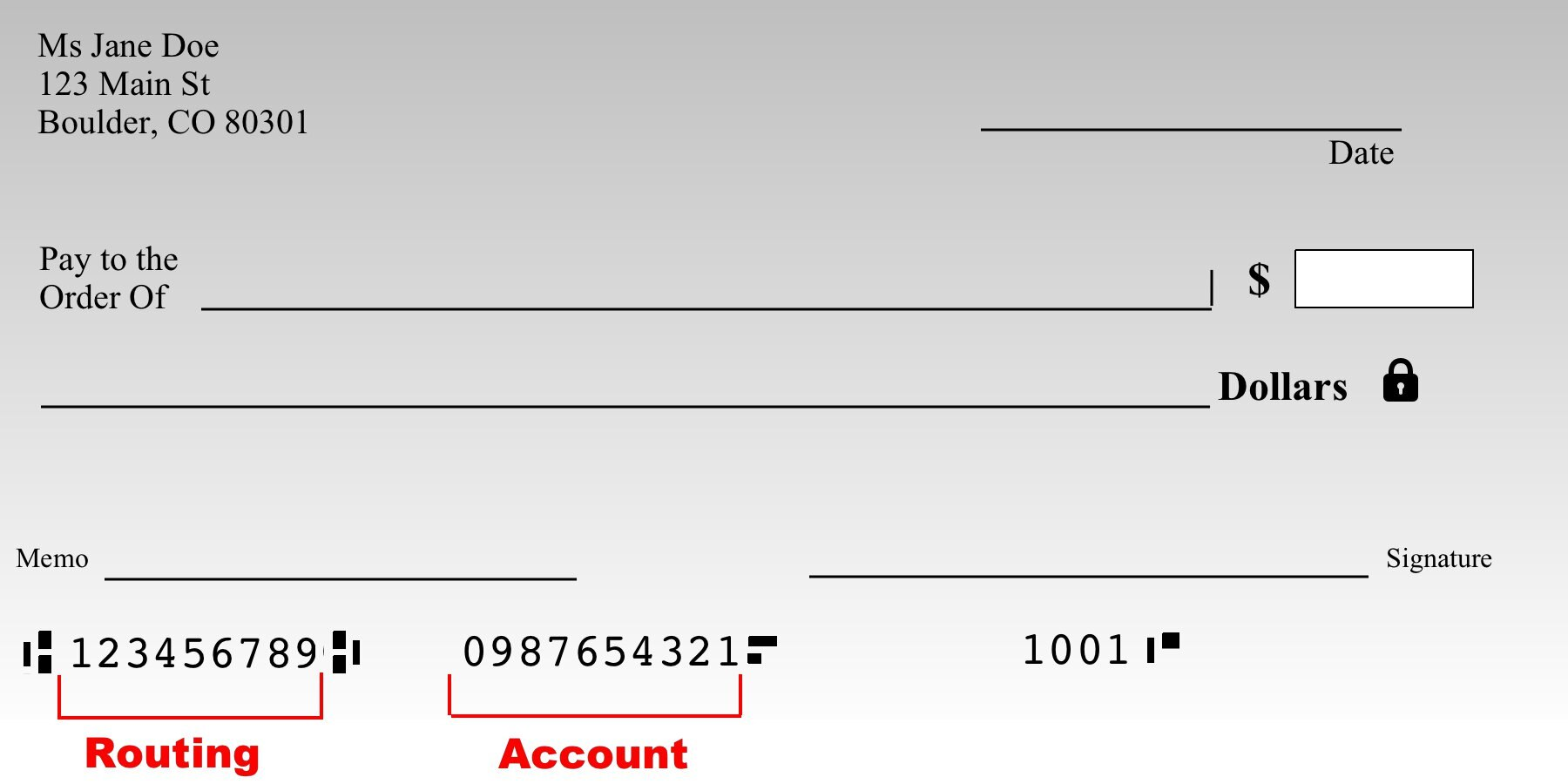
PC: Mario Lurig, CC0, via Wikimedia Commons
Throughout this saga, the public imagination has largely centered on the image of cash changing hands — the now-familiar reference to $35,000 in a paper bag.
Yet some of the transactions described publicly so far involve checks and campaign reporting amendments. The gap between that image and the known documentation is one reason many voters remain unsure about what exactly happened.
This creates what might be called narrative dissonance.
For months, public messaging and coverage have reinforced the image of a paper bag filled with cash. More recent descriptions, however, involve checks and subsequent campaign filing adjustments. That distinction naturally leaves observers asking whether the money being discussed represents a single event or multiple events that have become blended in public conversation.
Amounts alone do not establish whether funds came from the same source or from separate transactions, which adds to the confusion surrounding the story.
So the question emerges: are we seeing multiple events conflated into one public narrative? And if so, how did that occur?
The story may still be in Phase One, but in Hawaiʻi politics, developments move fast. The surrounding politics are already moving into the next stages — a clarification phase, as investigators begin communicating more openly about the process, and an interpretive phase, as observers attempt to make sense of what the disclosures mean in the larger political context. That interpretation remains early, shaped in part by public confusion over the nature of the disclosures and how they fit into the broader narrative.
But even before definitive answers arrive, this moment offers an early look at how quickly narratives form, evolve, and reshape the political landscape around them. And in Hawaiʻi politics, that process often tells us as much as the outcome itself.