
With the 250th birthday of the United States of America, this blogger has chosen to celebrate by writing about a side passion of his – aviation. And more to the subject, the ever-changing nature and look of the iconic planes that carry the President and other Very Important People of this nation’s government.
This subject comes to the forefront as the United States Special Air Mission (SAM) fleet has placed into service a Boeing 747-8 serving as an interim presidential transport. (fact check: the bridge plane is not designated as a VC-25B) This plane is being pressed into service as the current fleet of VC-25Aʻs – otherwise known as modified Boeing 747-200ʻs – is nearing the end of their service career, awaiting 2 VC-25Bʻs to be delivered in the next year or so.
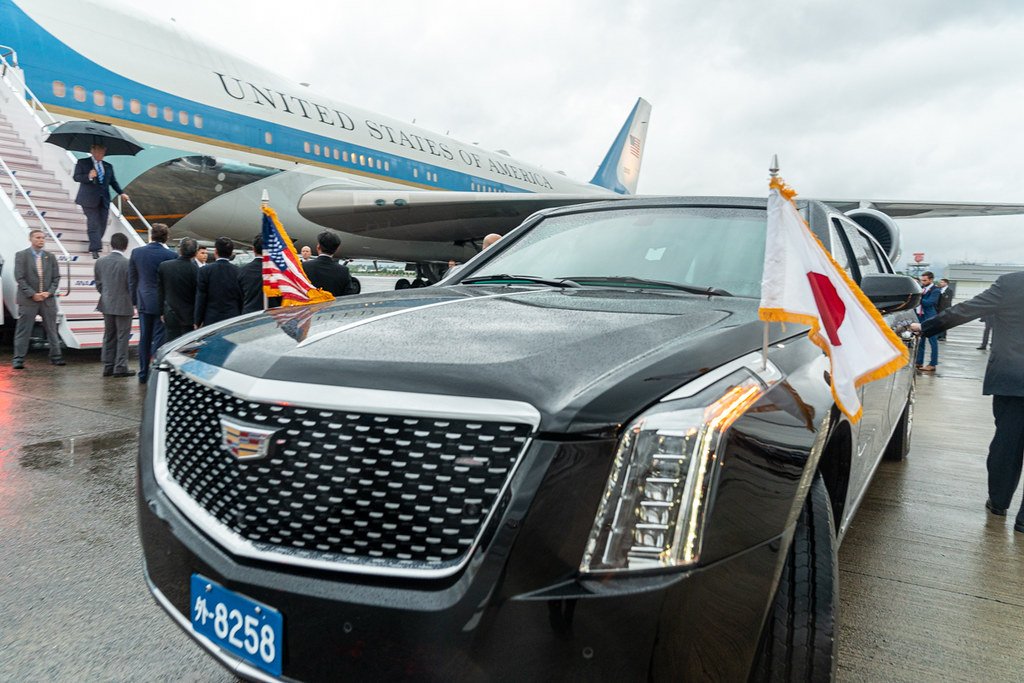
PC: “President Trump Arrives in Osaka” by The White House is marked with Public Domain Mark 1.0.
Putting to the side the genesis of where this airplane came from—a donation from the Government of Qatar to the United States—the aircraft has been repainted and reconfigured on the inside to better suit its new mission as presidential transport.
And, part and parcel of how things develop in this nation, the plane looks different than its predecessors. This has been long in the making as the current President of the United States – Donald Trump – commissioned the change in look of the plane from his first term in office (2017-2020). With his return to office and the opportunity to press a plane into service, he has gone ahead to implement the new look.
For many Americans, however, the change borders on sacrilege. The Raymond Loewy-designed livery introduced during the Kennedy administration has become synonymous with Air Force One and, over six decades, has itself become tradition. The current blue-and-white Air Force One that many Americans regard as timeless was itself once a dramatic modernization, replacing what came before and eventually becoming an icon in its own right.
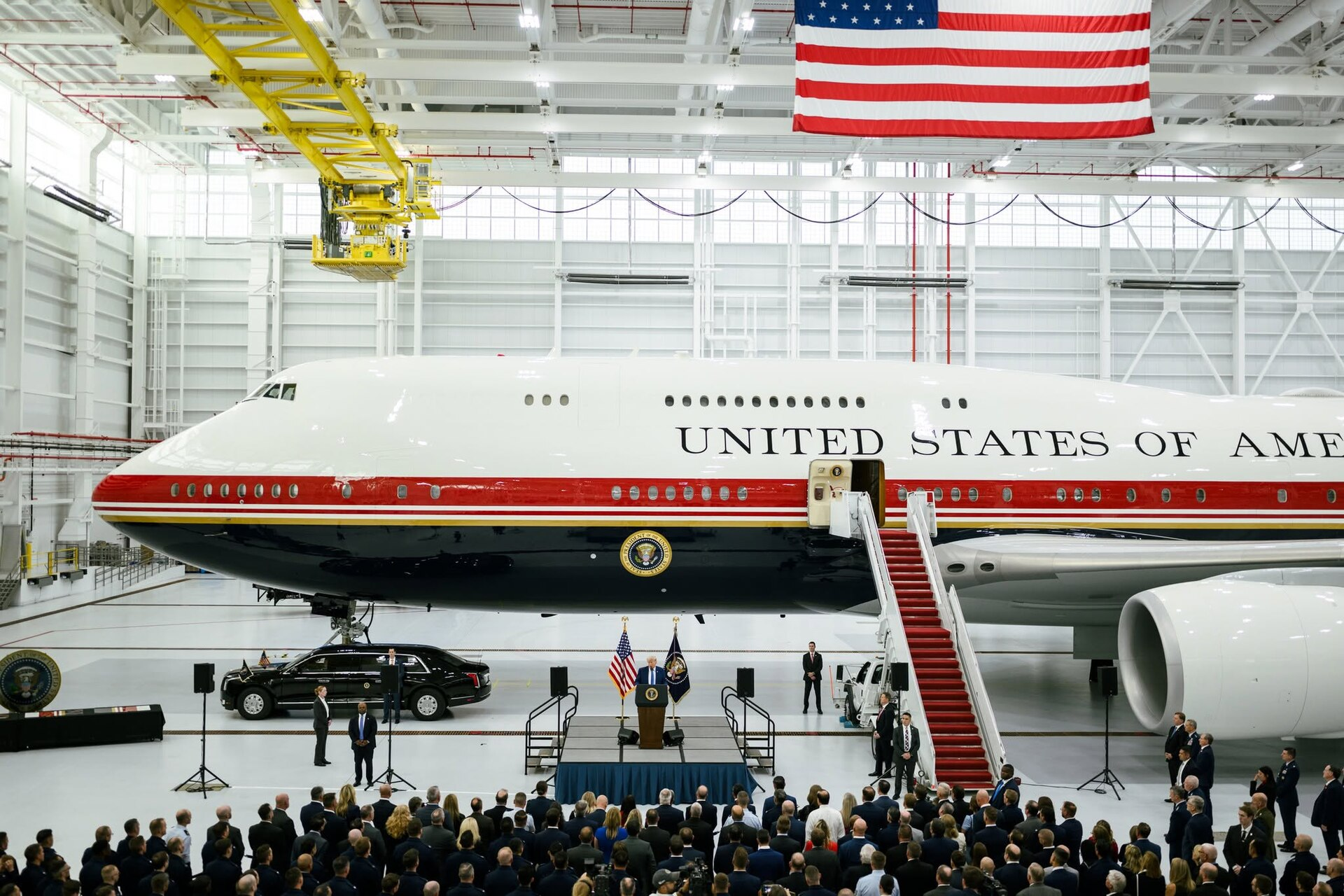
PC: The White House, Public domain, via Wikimedia Commons
However, like many symbols associated with the presidency, the appearance of presidential aircraft ultimately falls within the discretion of the administration in office.
It is in line, though, that other nations routinely change the livery on their presidential or governmental VIP planes from time to time. In research conducted for this article, VIP planes used in other countries have different looks depending on the model of plane or whether a new model is being pressed into service.
For instance, in the Republic of China (Taiwan), its VIP plane – a Boeing 737-800, has had several livery changes since it started service in the late 1990ʻs. Partially due to taste, and partially due to diplomatic issues related to flying the Republic of China flag, the plane went from being more designed as a government VIP carrier to that of a more understated, business-jet-like appearance. Even its President, when she goes on international trips donʻt fly on that plane – instead pressing into service a China Airlines A350 that is set up for VIP service.
PC: 玄史生, CC BY-SA 3.0 https://creativecommons.org/licenses/by-sa/3.0, via Wikimedia Commons
Another example, in Great Britain, for years, the Queen would fly on UK Air Force planes for long-distance flights. In many cases, you would see the queen exit a Vickers VC-10 that was used for both VIP and military service. More recently, the UK upgraded its VIP planes to Airbus A330 Voyagers, in which an exclusive livery was applied that gave the aircraft a more distinctive national identity, much as Air Force One does in the United States.
They even got a name for the plane – Vespina.
Talking about names, even the name we use for the Presidential flight – Air Force One – is not naming the plane itself but the callsign that is used when the plane is in the air with the President. Any plane can be called “Air Force One” as long as the President is on that plane.
Prior to the call sign being established, U.S. Presidents would name their planes. For instance, Truman had his Douglas DC-4 transport named Sacred Cow; Eisenhower named the Lockheed Constellation that flew him Columbine II.
To this day, other countries, besides Vespina for the UK, also name their planes. In Korea, their Boeing 747-8 used for VIP transport is called Code One.
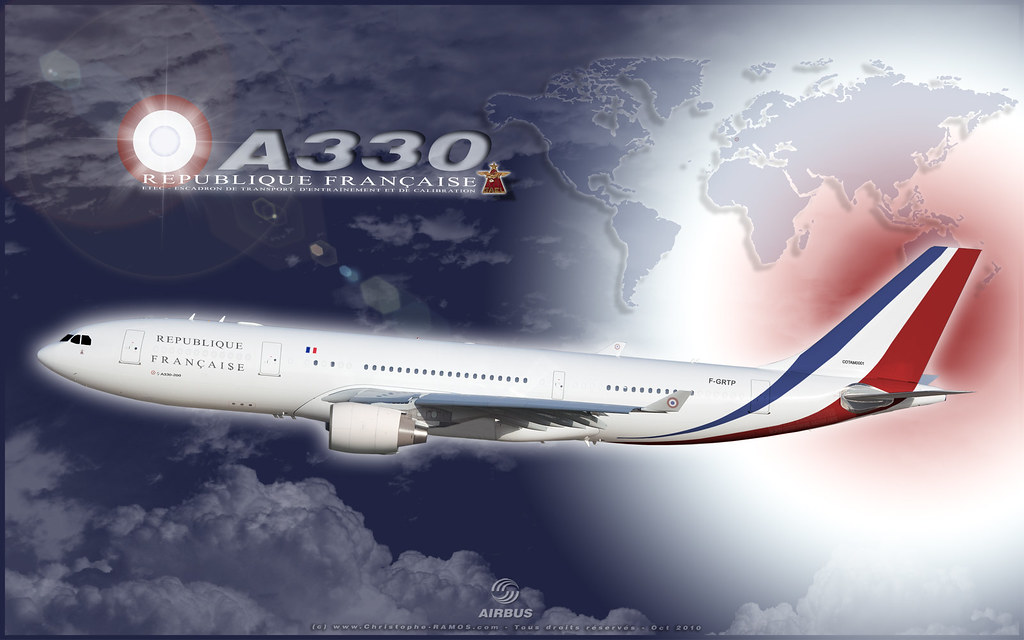
PC: “Wallpaper 1920HD – A330 – Air Force One – Escadron de transport, d’entraînement et de calibration – ETEC” by ÇhяḯṧtÖρнε is licensed under CC BY-NC-SA 2.0.
And talking about used aircraft being pressed into service at a government VIP carrier. The interim Boeing 747-8 is among the few instances in American history in which an aircraft previously operated by a foreign government has been acquired and modified for presidential transport. But in other countries, it is routine that a commercial plane is bought or leased by the Government and revamped to government VIP service.
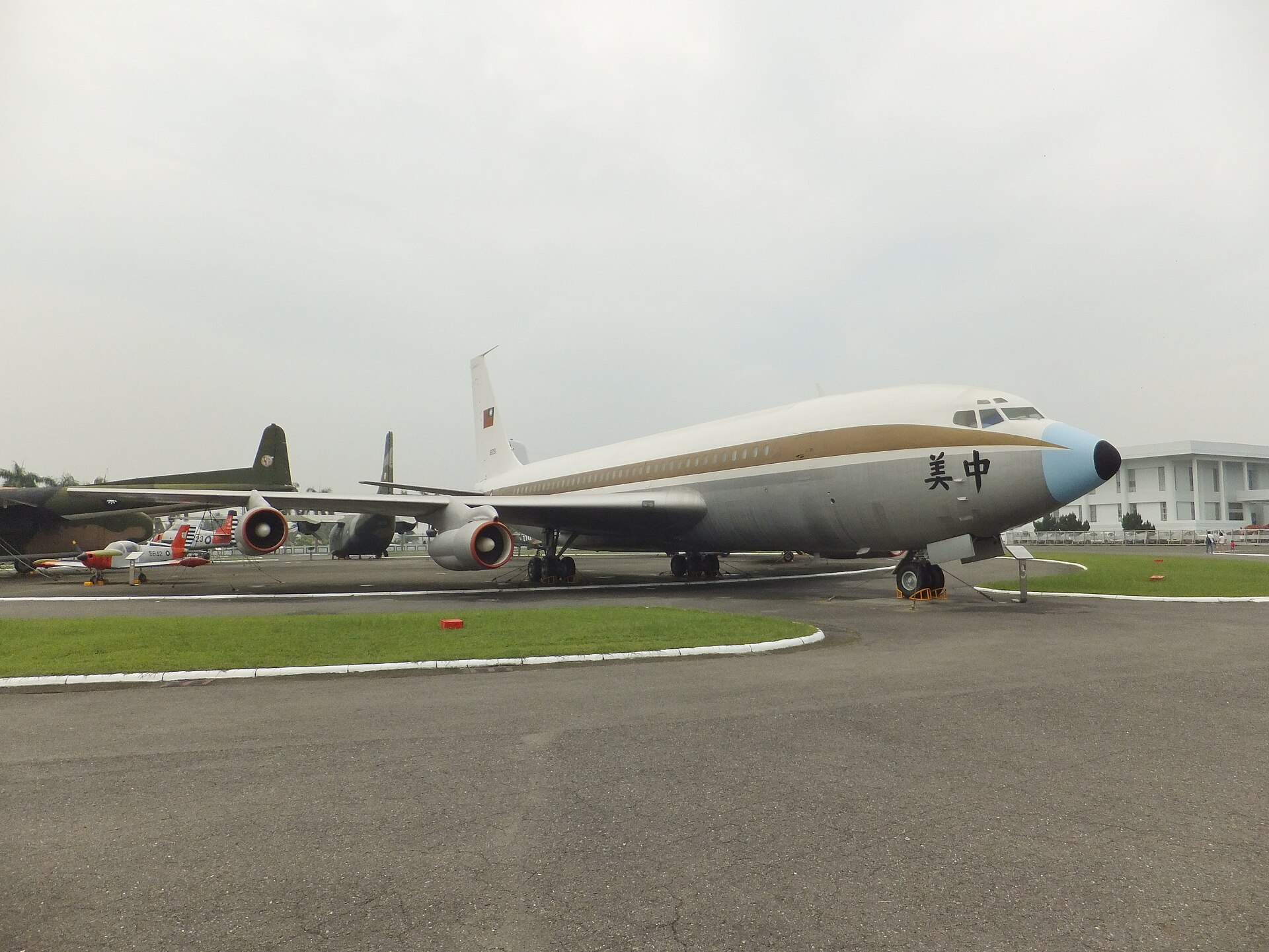
Examples of this include the aforementioned Code One for Korea, which was, in a prior life, a passenger airplane for Korean Air. North Koreaʻs Ilyushin Il-62, for its supreme leader, is also a revamped passenger plane from Air Koryo. And going to the past, the Republic of China (Taiwan) purchased a Northwest Airlines Boeing 720 (a version of the 707) in 1971, retrofitted it for VIP use, and commissioned it Chung Mei. It flew until 1996.
So as the United States celebrates 250 years, and as a new look takes to the skies carrying its President, it is worth remembering that the appearance of the aircraft has changed before and likely will again. What has endured is not the paint, the interior, or even the airplane itself, but the office it serves. The words across the fuselage—”The United States of America”—remain, reminding those who see the aircraft land anywhere in the world that it represents not merely the person aboard, but the nation itself.
And with that, Happy Birthday to the United States of America.