
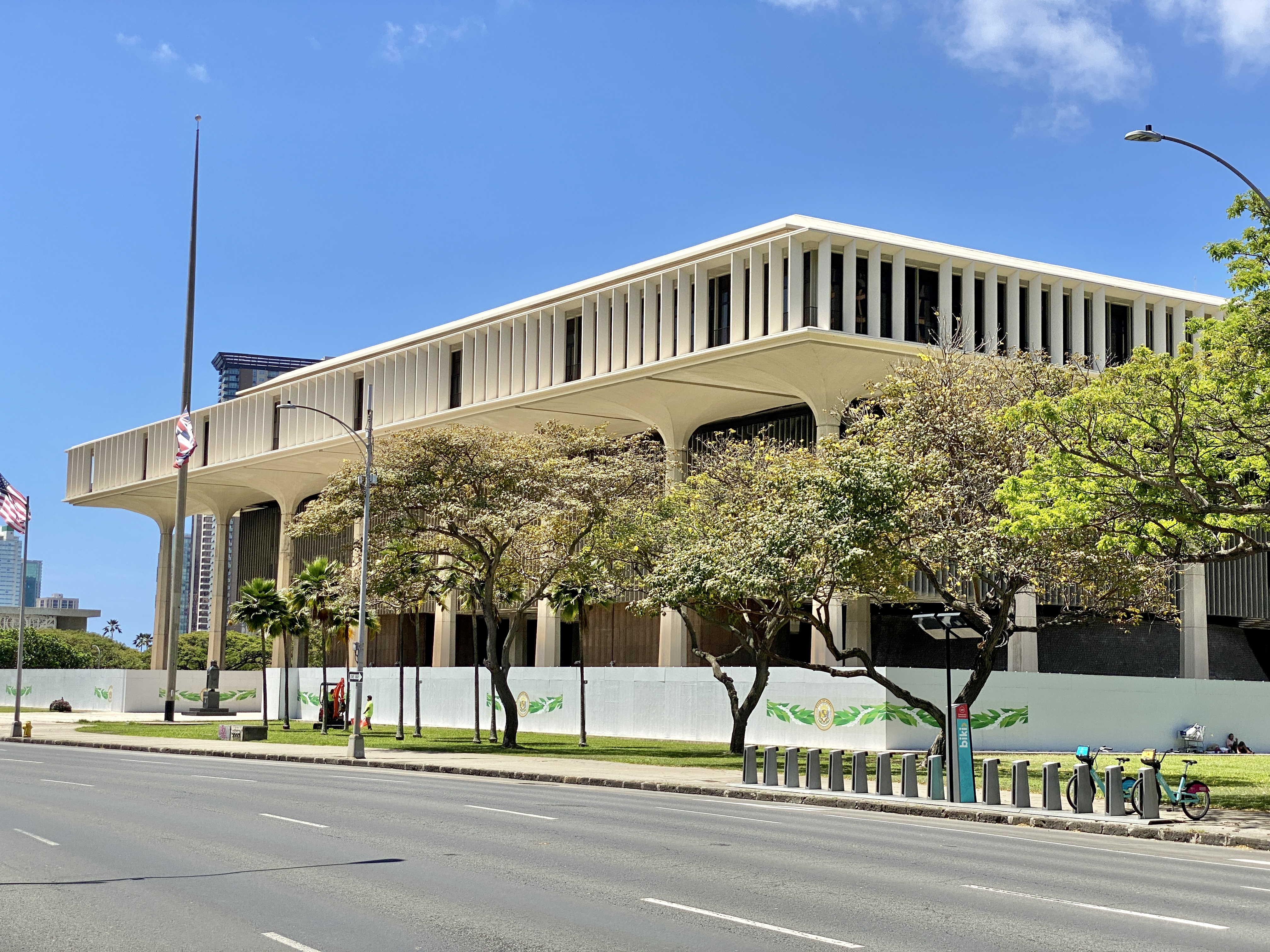
PC: “Hawaii State Capitol, Beretania Street, Honolulu, HI – 52221001099” by w_lemay is licensed under CC BY-SA 2.0.
Over the past several weeks, a series of articles in the Honolulu Star-Advertiser and Honolulu Civil Beat marked a quiet but consequential shift in who is interpreting Hawaiʻi politics for the public. Two farewells and one arrival point to a change not simply in political voices, but in how the state’s political narrative is being shaped and understood.
The first article that framed this shift was Denby Fawcett’s account of the passing of Tom Coffman, a loss also noted by David Shapiro in the Star-Advertiser on January 4th.
His influence didn’t come from narrating a day-by-day account of politics, but in long-form books that helped readers understand why certain events in Hawaiʻi politics unfolded the way they did. His landmark book “Catch A Wave, A case study of Hawaii’s new politics” told the story of the 1970 Democratic primary for Governor, which was the first election since statehood where the primary for governor became the talk of the town.
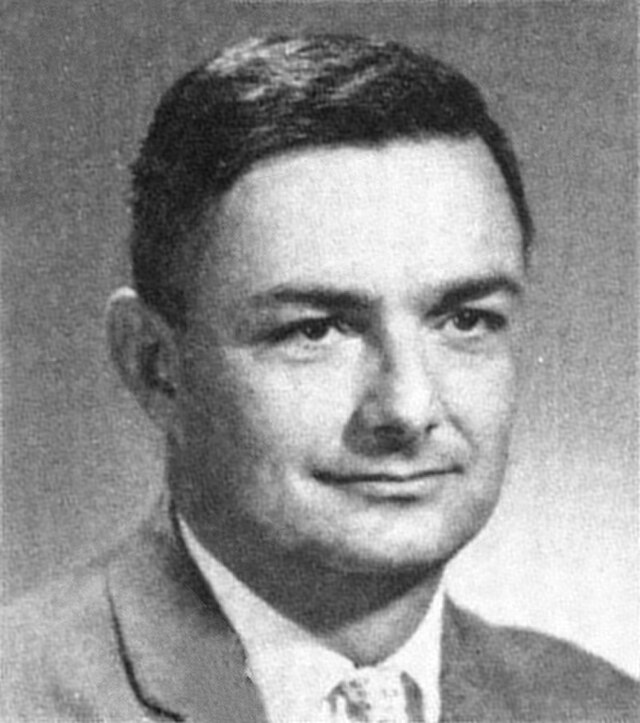
PC:US Government Printing Office, Public domain, via Wikimedia Commons
In describing the campaign, the players involved in both (then) Lt. Governor Thomas P. Gill and (then) Governor John Burns’ campaigns, and the angles they took, led Burns to level up, bring in mainland consultants who created a media campaign that is still studied today in Political Science classes.
As a student of Political Science, earning both a bachelor’s and a master’s degree at the University of Hawaiʻi, every course that focused on Hawaiʻi politics either required Catch a Wave or treated it as essential background reading. That status has endured, with the book still widely cited as a foundational text for understanding Hawaiʻi’s modern political history.
That is a legacy that few others reach in the halls of government or society in Hawaiʻi. And this student of Hawaiʻi politics thanks Tom for his contribution to the narrative that still stands on its own to this day.
The second article came out on Sunday, the 4th, when Richard Borreca wrote his last column about the State’s political life in the Star-Advertiser. Every Sunday, before going out for church and other things, this blogger would open up the Star’s website and look for two pieces written almost every week – David Shapiro in the Hawaiʻi section, and Borreca in the editorial pages.
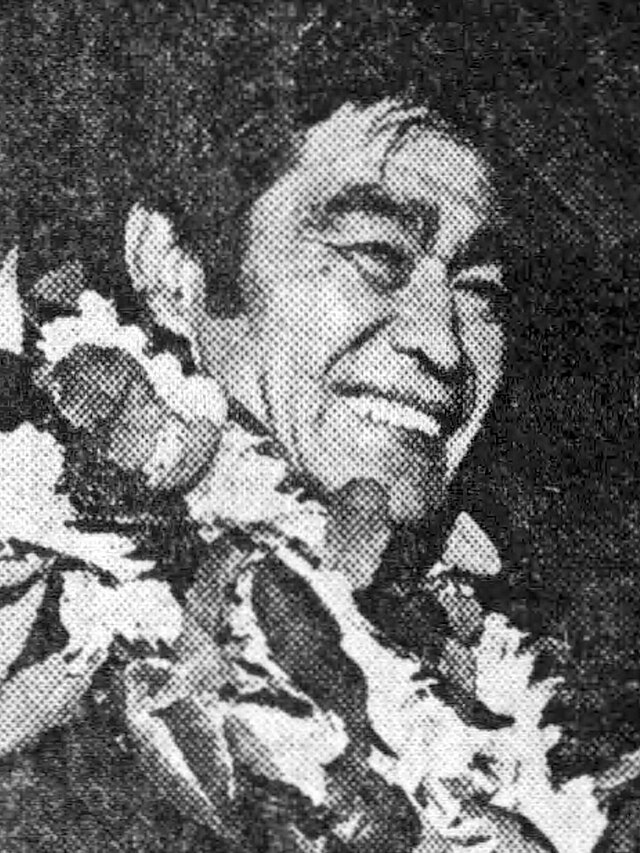
PC: Friends of Ariyoshi/Doi, Public domain, via Wikimedia Commons
In fact, Borreca was so influential that when Substack columnist and former reporter Chris Cillizza asked for who the best political reporters in Hawaiʻi were, as he was doing a 50-state stage call of who was the best in each state, this blogger happily listed Mr. Borreca as one of three named, noting that they were the best.
With his retirement, that list now shrinks to two.
In reflecting on Borreca’s contribution to Hawaiʻi’s political narrative, he was a steady demonstration of what institutional memory looks like in practice — drawing on decades of experience at both the State Capitol and Honolulu Hale to remind readers that “what you see now ain’t new… we’ve seen this before.” In his final column, he invoked figures such as former Honolulu Mayor Frank Fasi to reinforce that point.
Against those goodbyes comes a very different kind of hello.
Also, on January 4, a Civil Beat piece was issued that spoke about attempts to revive and reframe the Hawaiʻi Republican Party. The article examines issues that have plagued the party for years, if not longer. Further, it examines who the client is that they need to serve, giving a window, potentially, into a new political narrative from a party that has long been marginalized in local politics.

PC: Unknown; dedicated to the Bettman Archive. Likely an organization working with the Senate, e.g. Congressional Quarterly, or the Senate itself., Public domain, via Wikimedia Commons
Outside of Linda Lingle’s two terms as governor, the Hawaiʻi Republican Party has not come close to regaining Washington Place — a reality underscored in 1994, when Frank Fasi’s independent campaign finished ahead of the party in the general election.
Now, one can dismiss this as yet another attempt by the party to move itself from being an afterthought to being a contributor to the political narrative in Hawaiʻi. Whether this new effort will succeed electorally – because the scorecard is tallied by wins and losses – remains an open question. But the fact that a new voice has entered the scene, even if it’s for a blip of time, talking about a subject most have dismissed freshly, potentially could be a new voice that replaces those departing.
The change of voices and their source is not merely stylistic. Hawai’i political punditry has moved from disciplined voices interpreting reality for the public to a faster, more performative space where immediacy is rewarded more than judgment — even though trust is rarely built at speed unless the voice behind it has already earned it.
Coffman and Borreca achieved this through time and interpretive discipline — a standard new voices will have to meet if Hawaiʻi’s political story is to be built on trust rather than noise.