
As Hawai‘i moves from the Primary Election Cycle to the General Election in 2026, it appears an interesting political experiment is underway. And it’s taking place right under the noses of voters, but in plain sight if a watcher of politics in Hawai‘i is paying attention.
PC: Gerd Altmann, CC0, via Wikimedia Commons
And, no, it’s not about mail-in voting or campaign spending…although it would be assumed that with what has happened on these two subjects, that would be the area to look at.
Instead, it is about whether candidates still have to debate.
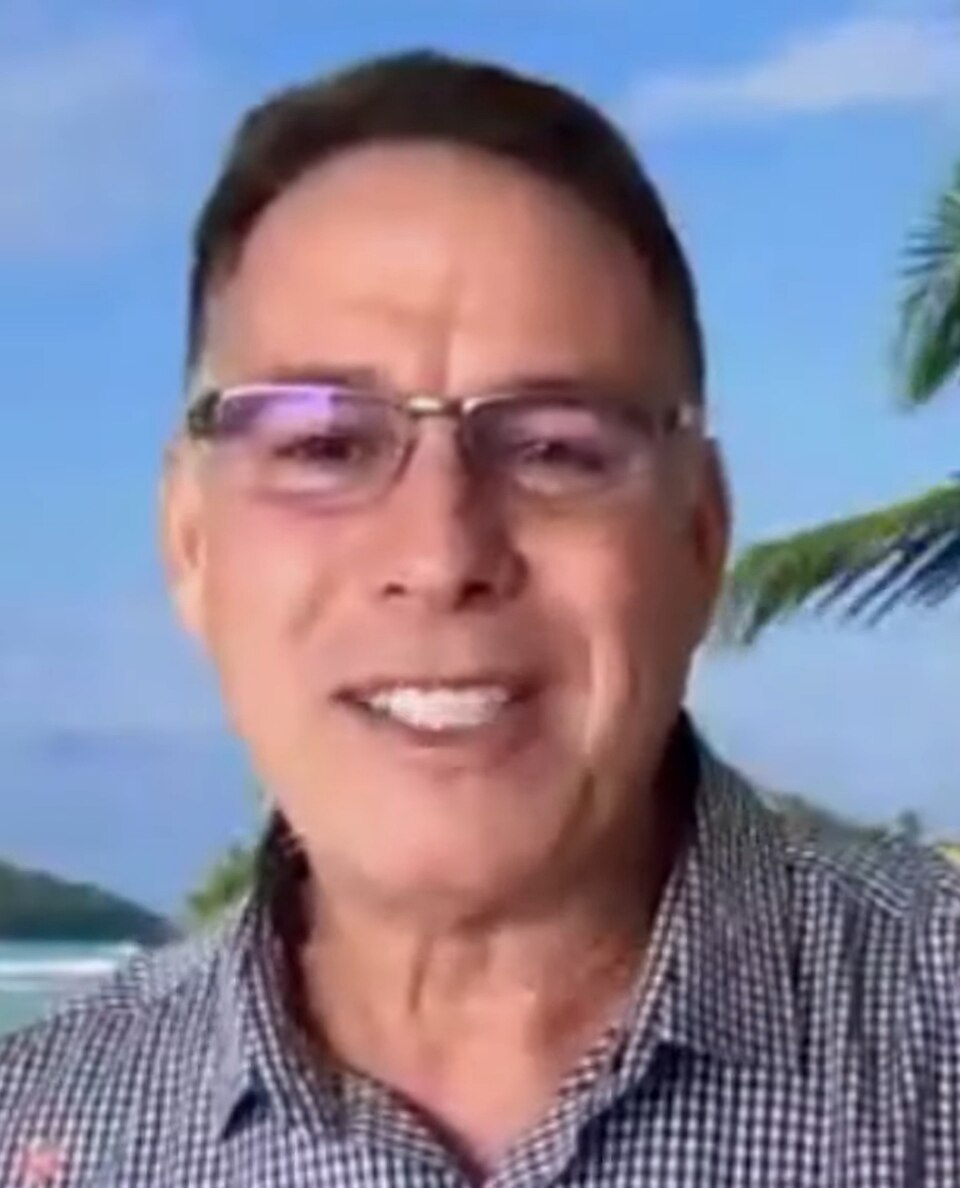
This humble blogger started to see something about this in the early days after the Primary Election, when notices about Democratic nominee for Governor Josh Green said in a Civil Beat article that the campaign has already told the main opponent – Republican nominee Gary Cordery – that there was “no way” – Civil Beat’s words, not PHwSF – that they would agree to debate.
To be fair, Civil Beat also reported that Green remains wary of the Aloha Freedom Coalition, headed by Cordery, citing the group’s tactics and antisemitic threats directed at Green during the COVID-19 restrictions.
PC: ThinkTech Hawaii, CC BY 3.0 https://creativecommons.org/licenses/by/3.0, via Wikimedia Commons
Soon after this announcement, another candidate who has now been given a second chance to campaign and win her seat in the General – Kanani Souza – was also reported to have declined an invitation to debate her opponent, Sheila Medeiros. A Facebook post on the Kapolei/Makakilo/Ewa Beach Community Politics Board criticized Souza for refusing the invitation, saying Medeiros had agreed to debate.
Now, a House race debate – that is one level where it probably would never be noticed by the general electorate whether it happened or not. For the bigger offices – well, that piques interest.
And when it comes to the Governor’s race – yeah, you bet people noticed.
They noticed because debating an opponent has long been treated as a political convention rather than a requirement. While there is no universal “rule” requiring a candidate to do so, that convention has been reinforced by the expectations of voters, the media, and civic groups.
Even the most recent General Election before this cycle, then-candidate Josh Green participated in at least one joint election forum with Republican challenger Duke Aiona. During the Primary, Green also debated both Kai Kahele and Vicky Cayetano. So the expectation that he would debate Cordery was somewhat baked into the matrix of events that would mark the General Election by many.
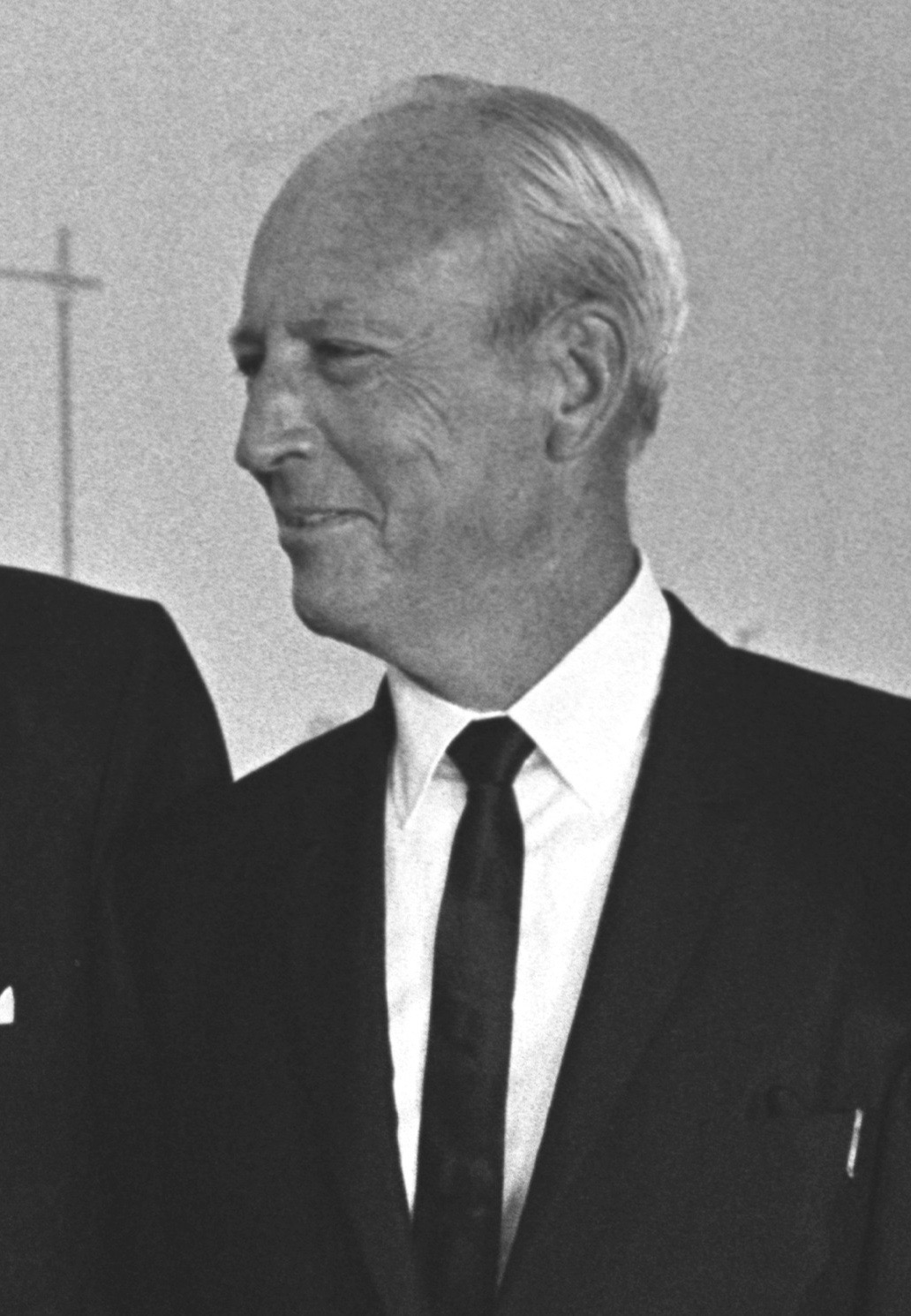
However, another former Governor of Hawai‘i made a similar choice. John Burns declined to debate his lieutenant governor, Tom Gill, during their 1970 Democratic primary. Accounts say that Burns campaigned as though he were unchallenged. He avoided public confrontations with Gill and instead used the media to get his message out.
PC: PHwSF from Wikimedia Commons
And Burns did this, all the while with polls showing that the race between them was tight – with Gill at 40% in one report, and Burns at 38%.
Whether intentional or not, Green is now following a similar political playbook.
But diving deeper into the voters’ expectations of candidates, one has to wonder if Green and Souza are tapping into something more profound about the voter – that being whether they care at all about seeing or hearing a debate between the candidates.
The answer might already have been given during the Primary – in the U.S. House of Representatives race between incumbent Ed Case and Jarrett Keohokalole. Case famously came out during the campaign and told the media that he would not debate his opponent, arguing that Keohokalole had offered no substantive policy proposals or alternative vision that warranted a debate.
Whether that is true or not, that is in the eye of the voter. But for Case, he took the criticism of not debating, kept on promoting his candidacy on TV and other media, and still won at the end by about 20 percentage points.
So could it be that the normative argument that every candidate “owes” the voters of Hawai‘i a debate is now up for, well, debate itself?
PC: ThePerfectYellow, CC BY 4.0 https://creativecommons.org/licenses/by/4.0, via Wikimedia Commons
There is, of course, another side to this. Debates were never supposed to exist simply because they benefited the candidates. They exist for the voters. A voter could reasonably argue that someone asking to serve as Governor should be willing to stand next to the other major-party nominee, answer questions, and defend his record.
And this may be where what is good campaign strategy runs head-on into what is good democratic practice. Because what these races suggest is that the electoral penalty for refusing to debate may not be enough to threaten either an incumbent or a perceived frontrunner seeking an open office.
Della Au Belatti versus Derek Kawakami for Lieutenant Governor offers another variation. Kawakami declined at least one invitation to a Civil Beat candidate forum, although he and Belatti did appear together in another televised forum. In the end, neither his refusal to participate in every forum nor his eventual appearance with Belatti appeared to fundamentally change the trajectory of the race.
With prior campaigns apparently not being penalized for refusing to debate, the argument against doing a debate or forum with an opponent becomes much more viable. After all, if you as the candidate won’t see the electorate reject you for not doing it, why put a campaign that looks like it’s going to win, anyway, in any harm’s way by platforming and maybe promoting the voice of its opponent?
This is the political calculation that can be made from Green’s decision not to debate Cordery. It is what Case did, and the results speak for themselves.
Because in the end, with a challenger behind, what they are looking for in a debate is something to change the dynamic of the race – a soundbite that attracts voters to consider him a more serious choice, or something else that disrupts the race and closes the gap between him and Green.
And Green, entering the General Election from a position of considerable political strength, is making (so far) the decision not to debate and instead get his message out through other means.
At the end, though, will voters really care? Will they demand a time when they hear from both candidates? Or have we reached a point where voters do their own research, pick their candidate and move on — debate or no debate?
Ed Case tested that proposition in the Primary and won by 20 points. Now Josh Green is testing it in the General. And perhaps that is the real experiment taking place right under the noses of Hawaiʻi voters, which is:
If refusing to debate carries no penalty at the ballot box, why would a candidate who is already winning take the risk?
We’ll find out on election night, Tuesday, November 3.