
Here is a question to the reader: What happens when the traditional systems that once moderated political behavior lose influence?
(If you want to provide me with an answer, send me an email here, or post a response to this article in the Facebook “Politics Hawaii with Stan Fichtman” page)
This question has been at the forefront of this blogger’s mind after two recent incidents involving public officials raised a deeper issue: where exactly is the accountability for behavior that once would have triggered institutional backlash?
The first example is that of FBI Director Kash Patel being allowed to snorkel around the USS Arizona, which is a living memorial in Pearl Harbor. The second is that of a speech by Hawaii State Senator Brenton Awa, giving a “Mister Ambassador of Aloha” letter to a person who was videoʻd beating up a tourist on Maui who threw a rock at a Monk Seal.
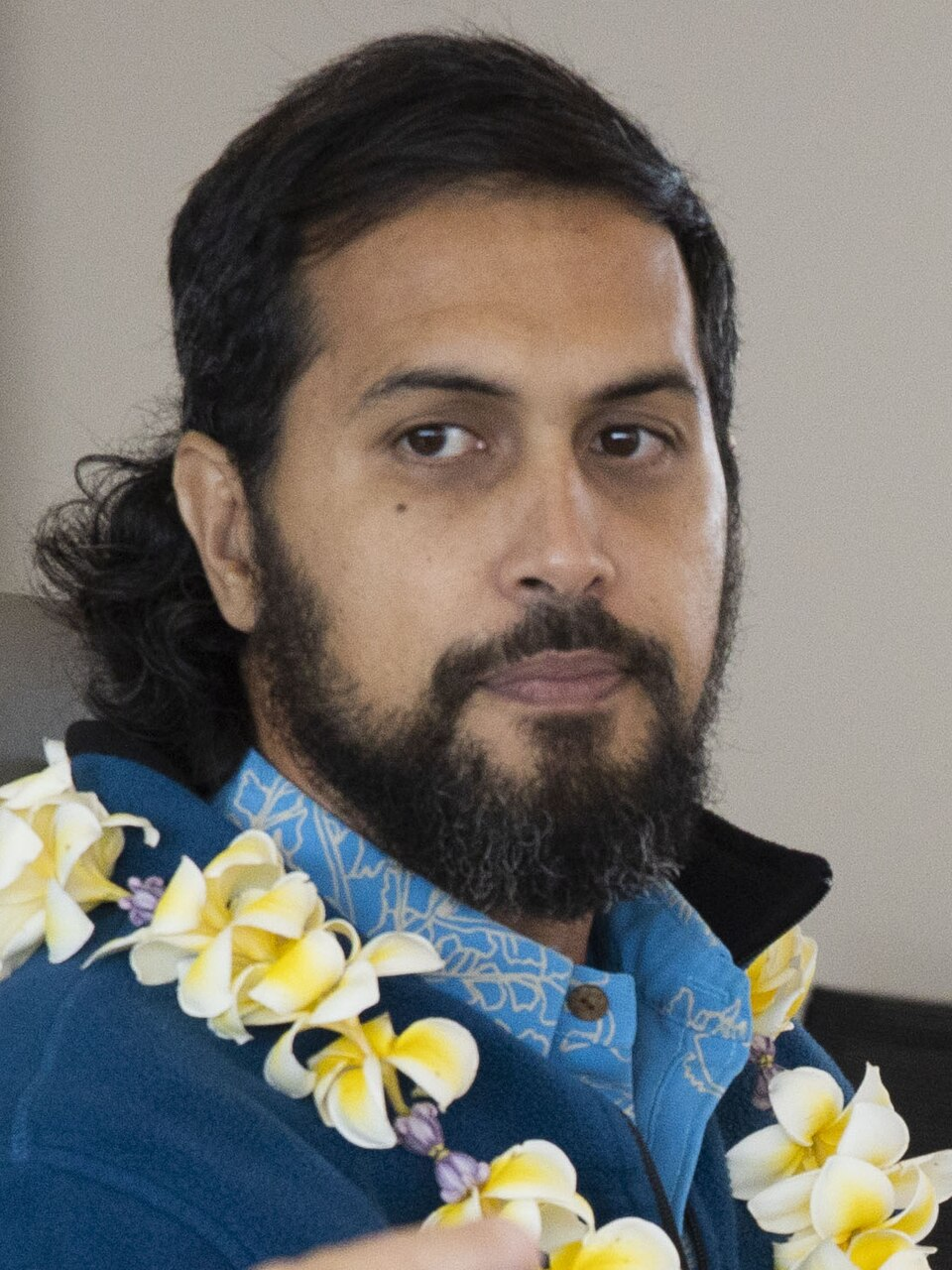
PC: Sgt. Julian Elliott-Drouin, Public domain, via Wikimedia Commons
Both incidents have elicited very strong feelings in the public, with outrage being expressed both on social media and in traditional media. In fact, for Awaʻs speech, he got a rather strong rebuke from the upstart Aloha State Daily e-newspaper. Considering that his speech gave praise to a person who took the law into their own hands and invoked vigilante justice on the Maui tourist — despite the tourist himself later being arrested and facing federal charges — the mere suggestion that a person of authority would sanction this action feels out of the realm.
Because of that speech, if any random person were to take the same position, an ordinary person publicly endorsing retaliatory violence could quickly find themselves condemned for advocating violence.
For Patelʻs actions, which reportedly had authorization and were described as a “VIP” experience signed off by those above him, the story has raised both an emotional “how dare he” response and a practical “how did he get permission to do that?” In reality, an ordinary citizen would never be granted permission to snorkel around the USS Arizona. And if someone attempted to do so without authorization, authorities would intervene almost immediately, dramatically altering that personʻs day.
So, with these actions, the question stands – who holds these leaders accountable?
There was a time when accountability did not begin and end with elections.
Between the public and the ballot box stood layers of intermediary accountability: party leadership, donors, institutional pressure, media scrutiny, respected civic voices, and political elders who quietly signaled when a line had been crossed.
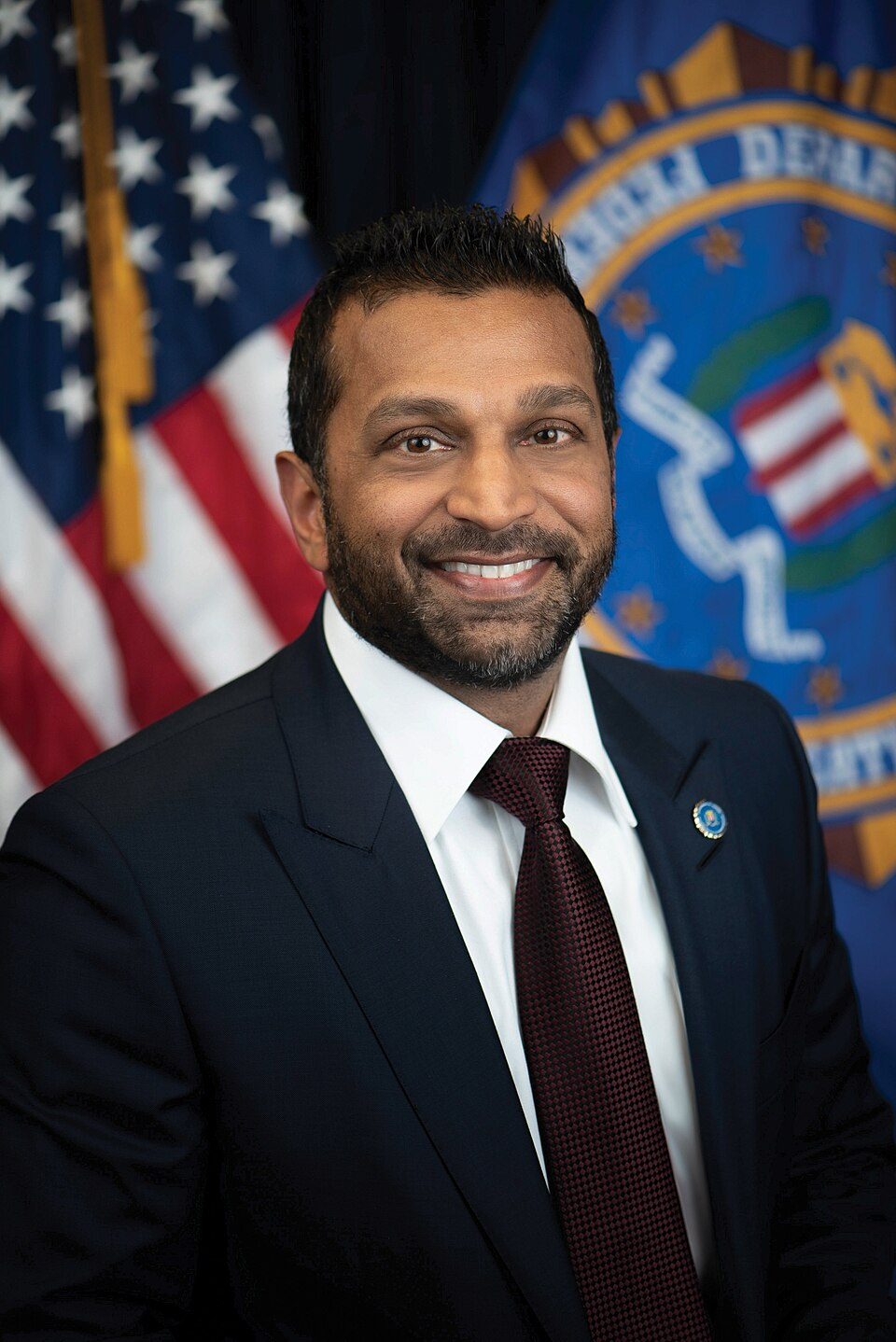
PC: Federal Bureau of Investigation, Public domain, via Wikimedia Commons
For Patel, the established media would probably be the first line in citing outrage over his actions. More likely than not, a Pearl Harbor survivor would be found and interviewed by a local station, in which their reaction would be good enough for national coverage. Then the political system would wind up, with party bosses and influential lawmakers making calls to the White House and the FBI, asking, “What are you guys doing?” If there is no action, congressional investigations, and further media scrutiny would lead the President to say something to calm things down, all the way to firing the Director over this.
For Awa, a bit of a different approach. The media, of course, would pick it up and start asking the question of why a state lawmaker is making such a statement. Perhaps lawmakers and influential political players in the opposing party would issue a combined statement calling on the Senator to apologize and rescind the remarks. Eventually, donors to the Senator as well as to the political party he is part of would get itchy, start making calls and asking for a combination of “settling down” as well as “find a way to fix this, because the public is not happy”.
And as you, the reader, know, it’s the public that eventually has a chance to make their voice known through the ballot box. With them not happy, it becomes a lot harder for the now-incumbent candidate to get re-elected.
But these days, one can see how it’s panned out on both of these examples; accountability is lacking. For both, yes, there was a dustup in the media, maybe a couple of people called on the powers that be to express their feelings on it, and a bunch of people on social media came out and posted and re-posted articles expressing their outrage over their behaviors.
Then that is it.
The media cycle moves on. Social media finds the next outrage. Public attention shifts elsewhere. And the officials involved continue largely unchanged — perhaps with a temporary bruise to their reputation, but little visible institutional consequence.
So, where is the accountability when public officials cross lines that once would have carried institutional consequences? Right now, it’s hard to see. Maybe you have a different perspective – so email Politics Hawaii with Stan Fichtman and let me know!
The award-winning blog “Politics Hawaii with Stan Fichtman” wants to hear from you! Provide your manaʻo (insight, knowledge, feelings) on this matter by emailing or posting on the Facebook page for this blog. The blog may share your comments in an upcoming article that will continue to address the issue of “who is keeping them accountable?”